

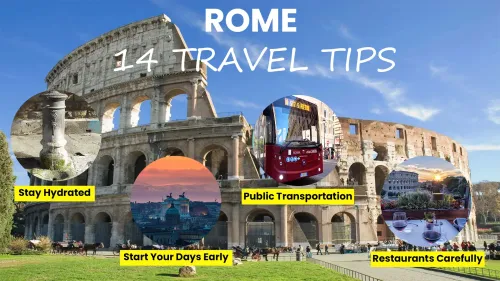
Rome Travel Tips for First Timers – Essential Advice for a Smooth Trip (2026 Guide)
Introduction – Rome Travel Tips for First Timers
Visiting Rome for the first time is exciting — and slightly overwhelming. The city is layered with history, art, traffic, crowds, and unforgettable beauty. Without preparation, small mistakes can turn into unnecessary stress.
These Rome travel tips for first timers are designed to help you:
- Avoid long queues
- Choose the right neighborhood
- Understand transport options
- Stay safe
- Plan efficiently
- Enjoy Rome with confidence
Rome is not complicated — but it rewards informed travelers.
The more you understand before arriving, the more relaxed and enjoyable your trip becomes.
Whether you are staying two days or a full week, these practical 2026 insights will help you travel smart and confidently.
1. Choose the Right Area to Stay
Location matters more than hotel category.
For first-time visitors, prioritize:
- Historic Center – Walking distance to most landmarks
- Pantheon / Navona area – Excellent central positioning
- Trastevere – Charming and lively atmosphere
- Near Vatican – Quieter and well-connected
Staying central reduces transportation time and maximizes sightseeing hours.
For detailed comparisons, read our complete guide on Where to Stay in Rome.
2. Plan Airport Transfers in Advance
Most visitors land at Fiumicino Airport (FCO).
Transport options include:
- Train (Leonardo Express)
- Taxi (fixed fare to city center)
- Bus (low-cost option)
- Private transfer
If arriving after a long flight, many travelers prefer a pre-booked Rome Airport Transfer to avoid confusion, language barriers, or taxi queues.
Advantages of booking in advance:
- Fixed transparent price
- Door-to-door service
- No waiting in line
- Professional English-speaking driver
This is especially useful for:
- Families
- First-time visitors
- Late-night arrivals
3. Book Major Attractions in Advance
In 2026, Rome remains one of the most visited cities in Europe.
Pre-book tickets for:
- Colosseum
- Vatican Museums
- Borghese Gallery
Waiting in ticket lines can consume hours.
Skip-the-line tickets are not a luxury — they are time management tools.
4. Start Your Days Early
Rome is busiest between 10:00 AM and 4:00 PM.
To avoid peak crowds:
- Visit the Colosseum at opening time
- Enter the Vatican early
- See Trevi Fountain before 9:00 AM or late evening
Early mornings provide:
- Better photos
- Cooler temperatures
- Calmer atmosphere
5. Wear Proper Shoes
Rome’s streets are uneven and paved with cobblestones.
Expect to walk:
- 15,000–20,000 steps per day
Choose comfortable walking shoes with proper support.
Avoid brand-new footwear.
6. Understand Public Transportation
Rome’s metro system is limited but useful.
Metro lines:
- Line A (Vatican, Spanish Steps)
- Line B (Colosseum)
Buses are widespread but can be crowded and unpredictable.
For short stays, walking is often faster than waiting.
7. Learn Basic Cultural Etiquette
Small cultural details improve your experience.
- Coffee at the bar is cheaper than at a table
- Tipping is appreciated but not mandatory
- Dress modestly inside churches
- Dinner starts later (after 7:30 PM)
Respecting local customs enhances interactions.
8. Stay Alert in Crowded Areas
Rome is generally safe, but pickpocketing can occur in:
- Metro stations
- Around the Colosseum
- On public buses
- Near Trevi Fountain
Precautions:
- Use anti-theft bags
- Keep phones secure
- Avoid open backpacks
No need for anxiety — just awareness.
9. Plan Realistic Daily Schedules
Many first-time visitors try to see too much.
Instead:
- Group attractions geographically
- Allow time for meals
- Leave space for spontaneous moments
For structured planning, explore our detailed Rome Itinerary guides.
10. Stay Hydrated – Use Public Fountains
Rome has hundreds of public drinking fountains called “nasoni.”
The water is safe, fresh, and free.
Carry a reusable bottle.
11. Expect Crowds — But Don’t Fear Them
Rome is busy year-round.
However:
- Early mornings are manageable
- Shoulder seasons are ideal
- Winter is quieter but cooler
Crowds are part of Rome’s energy.
12. Choose Restaurants Carefully
Avoid:
- Restaurants with large photo menus
- Aggressive staff inviting you inside
- Tourist-only streets with inflated prices
Instead:
- Look for menus in Italian
- Check local clientele
- Read recent reviews
13. Keep Cash for Small Purchases
While cards are widely accepted, small cafés and markets may prefer cash for minor amounts.
Carry small bills and coins.
14. Plan Transfers Efficiently
If your stay is short, reducing arrival stress is crucial.
For example:
- Train is efficient but requires navigating platforms
- Taxi has fixed city-center pricing
- Private transfers offer direct hotel drop-off
For families and time-sensitive travelers, a pre-arranged transfer often provides the smoothest start.
Final Recommendation
Rome rewards preparation.
For first-time visitors:
- Stay central
- Book tickets in advance
- Start days early
- Plan airport logistics
- Keep schedules realistic
The city offers layers of history, culture, and atmosphere that unfold best when approached calmly and confidently.
A well-planned trip allows you to focus on what matters:
- The Colosseum at sunrise
- The quiet inside St. Peter’s Basilica
- The sound of fountains in a hidden piazza
- A late dinner in Trastevere
Preparation reduces stress — and increases enjoyment.
Essential Rome Travel Tips for First Timers
| Topic | Basic Option | Smart Option | Best Practice | Recommended For |
|---|---|---|---|---|
| Airport Arrival | Taxi line | Train | Pre-booked transfer | First-time visitors |
| Colosseum Access | On-site ticket | Online ticket | Early time slot | High season travelers |
| Vatican Visit | General line | Timed entry | Early morning slot | Weekend visitors |
| Accommodation | Outside center | Near metro | Historic Center | Short stays |
FAQ
Is Rome safe for first-time visitors?
Yes. Rome is generally safe. Stay alert in crowded areas and keep belongings secure.
How many days do I need in Rome?
Three days is ideal. Two days can cover highlights with structured planning.
Do I need cash in Rome?
Cards are widely accepted, but small cash amounts are useful for minor purchases.
Is English widely spoken?
Yes, especially in tourist areas and hotels.
What is the best way to start a Rome trip?
Arrive early, stay central, and pre-book key attractions and airport transport.
Plan Smart
Make Your First Trip to Rome Effortless
Organize transfers, choose the right area, and explore Rome with confidence.
Related guides
How to Claim VAT Refund at Fiumicino Airport (Step-by-Step)
A clear and professional 2026 guide explaining how to claim a VAT refund at Fiumicino Airport, including required documents, customs stamping, refund desks and essential tips to avoid delays.
Is Rome Safe in 2026 What Tourists Should Know
A clear and reassuring 2026 guide on safety in Rome, explaining real risks, safe areas, common scams and practical tips every visitor should know before traveling.
How to Avoid Fake Taxi Scams in Rome (2026 Guide)
A clear and trusted 2026 guide to avoiding fake taxi scams in Rome — where they occur, how to identify real taxis, and how to stay safe when travelling from Fiumicino or Termini.
You might also like
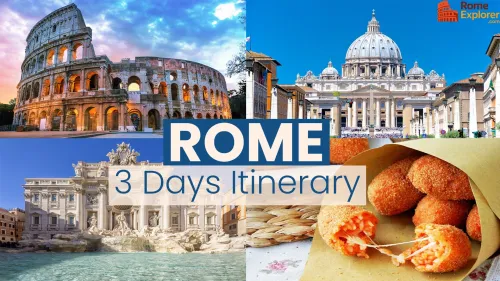
3 Days in Rome – Perfect Itinerary
Discover the perfect 3 days in Rome itinerary with must-see landmarks, hidden gems, travel tips, and smart planning advice for a smooth, stress-free first visit.

Arriving in Rome from Fiumicino Airport: How to Choose the Best Transport in 2026
Find the best way to travel from Fiumicino Airport to Rome in 2026. Compare trains, taxis, private transfers, and shuttles — with updated prices, travel times, and practical tips.

FCO → Vatican – real travel times & average prices (2026)
Learn the fastest, safest and most reliable ways to travel from Fiumicino Airport to the Vatican area, with real 2026 prices, travel times, tips and recommended routes.
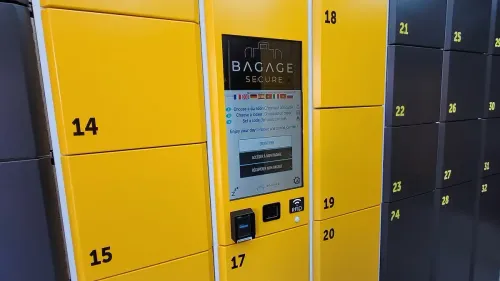
Luggage Storage at Fiumicino Airport: Locations, Hours & Prices (2026)
Find out where to store your luggage at Fiumicino Airport in 2026, with clear locations, opening hours, prices and essential tips for a stress-free travel experience.