

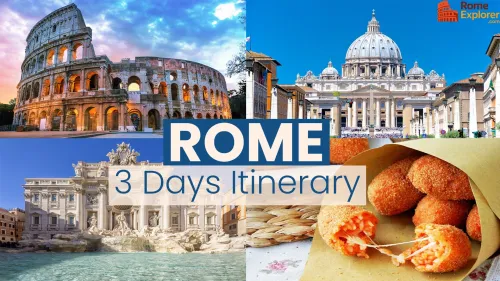
3 Days in Rome – Perfect Itinerary
Introduction – Your Perfect First 3 Days in Rome
Planning 3 days in Rome can feel overwhelming. The Eternal City is layered with history, art, culture, and unforgettable food. For first-time visitors, the challenge is not what to see — it is deciding what not to miss.
This carefully designed Rome itinerary for 2026 helps you:
- Avoid long queues
- Minimize unnecessary walking
- Structure your days efficiently
- Combine iconic landmarks with authentic neighborhoods
- Experience Rome without stress
Rome is not a city you rush. It is a city you absorb.
With three full days, you can see the essential highlights — from the Colosseum to the Vatican — while still enjoying relaxed evenings, scenic piazzas, and traditional Roman cuisine.
The key to a perfect trip is balance: history in the morning, atmosphere in the afternoon, beauty at sunset, and great food at night.
If you are arriving at Fiumicino Airport, consider booking a Rome Airport Transfer for a smooth start — especially after a long flight.
Let’s begin.
Day 1 – Ancient Rome & The Historic Center
Morning: Colosseum, Roman Forum & Palatine Hill
Your first day should focus on Ancient Rome.
Start early at the Colosseum — ideally with pre-booked skip-the-line tickets. This iconic amphitheater is Rome’s most famous monument and an essential stop in any 3 days in Rome itinerary.
From there, continue to:
- Roman Forum
- Palatine Hill
These sites are within walking distance and share one combined ticket.
Estimated time: 3–4 hours
Tip: Book entry at opening time to avoid peak crowds.
Lunch Break Near Monti
Head toward the Monti district for lunch — one of Rome’s most charming neighborhoods.
Look for:
- Cacio e pepe
- Carbonara
- Supplì (fried rice balls)
Monti offers authentic Roman cuisine without the inflated prices of tourist-heavy streets.
Afternoon: Piazza Venezia, Pantheon & Trevi Fountain
Continue walking toward:
- Piazza Venezia
- The Pantheon
- Trevi Fountain
The Pantheon is free to enter (small entry fee may apply depending on updated 2026 regulations). The Trevi Fountain is best visited late afternoon when lighting improves.
Toss a coin into the fountain to ensure your return to Rome.
Evening: Spanish Steps & Piazza di Spagna
Finish your first day at Piazza di Spagna.
Sunset here offers beautiful city views and a relaxed atmosphere.
Day 2 – Vatican City & Trastevere
Morning: Vatican Museums & Sistine Chapel
Start early again. The Vatican Museums are among the most visited museums in the world.
Must-see highlights:
- Raphael Rooms
- Gallery of Maps
- Sistine Chapel
Pre-booking tickets is essential in 2026.
Estimated time: 3 hours
St. Peter’s Basilica
Entry is free, but security lines can be long. Arrive before 11:00 AM for shorter waits.
Climb the dome for panoramic views of Rome.
Lunch in Borgo Pio
This charming street near the Vatican offers relaxed restaurants with traditional Roman dishes.
Afternoon & Evening: Trastevere
Cross the Tiber River and explore Trastevere.
Highlights:
- Santa Maria in Trastevere
- Narrow cobblestone streets
- Local wine bars
Trastevere is perfect for dinner and a relaxed evening atmosphere.
Day 3 – Hidden Gems & Scenic Rome
Your final day blends iconic views with local charm.
Morning: Villa Borghese & Pincian Terrace
Start with a peaceful walk in Villa Borghese Park.
Visit:
- Borghese Gallery (reservation required)
- Pincian Terrace for panoramic views
Piazza Navona & Campo de’ Fiori
Stroll through Piazza Navona and explore Campo de’ Fiori’s local market.
Lunch & Jewish Ghetto
Explore Rome’s historic Jewish Quarter.
Try:
- Carciofi alla Giudia (fried artichokes)
- Kosher Roman specialties
Sunset: Gianicolo Hill
For one of the most breathtaking sunsets in Rome, head to Gianicolo Hill.
It offers sweeping views over the city’s domes and rooftops.
Where to Stay in Rome
Choosing the right neighborhood enhances your itinerary.
For first-time visitors:
- Historic Center – Best location for walking access
- Trastevere – Authentic atmosphere
- Vatican area – Quiet and well-connected
See our complete guide on Where to Stay in Rome for detailed neighborhood comparisons.
Getting to Rome from the Airport
If you are landing at Fiumicino, planning your arrival is essential.
Options include:
- Train
- Taxi
- Bus
- Private transfer
After a long flight, many travelers prefer a Rome Airport Transfer for a stress-free arrival, especially when traveling with luggage or family.
You can read more about airport logistics in our detailed guide on transportation and planning.
Which This Itinerary Is Best For
This 3 days in Rome itinerary is ideal for:
- First-time visitors
- Couples
- Small groups
- Culture lovers
- Travelers wanting structure without rushing
If you have more time, consider extending to 4 or 5 days to include Tivoli or Ostia Antica.
For shorter stays, see our Rome Itinerary planning resources.
Travel Tips for 2026
- Book major attractions in advance
- Stay centrally located
- Wear comfortable shoes
- Avoid peak hours (10 AM – 3 PM)
- Plan airport transport before arrival
Small planning decisions dramatically improve your experience.
Final Recommendation
Three days in Rome can be unforgettable when structured properly.
Focus on:
- Ancient Rome
- Vatican City
- Authentic neighborhoods
- Balanced pacing
Arrive prepared. Stay centrally. Book key attractions in advance.
And most importantly — leave time to simply sit in a piazza and enjoy the atmosphere.
Rome is not just a destination. It is an experience.
Best Way to Organize 3 Days in Rome
| Aspect | Option A | Option B | Option C | Recommended For |
|---|---|---|---|---|
| Accommodation | Historic Center | Trastevere | Vatican Area | First-time visitors |
| Transport from Airport | Train | Taxi | Private Transfer | Families & comfort travelers |
| Museum Tickets | On-site purchase | Online booking | Guided tour | High season travelers |
| City Exploration | Walking only | Walking + Metro | Taxi + Walking | Short stays |
FAQ
Is 3 days enough for Rome?
Yes. Three full days allow you to see the main highlights without rushing excessively.
Should I buy skip-the-line tickets?
Yes. Especially for the Colosseum and Vatican Museums.
What is the best area to stay in Rome?
The Historic Center is the most convenient for first-time visitors.
Is Rome walkable?
Yes. Most major attractions are within walking distance of each other.
When is the best time to visit Rome?
Spring (April–June) and autumn (September–October) offer the best balance of weather and crowds.
Plan Your Trip
Make Your 3 Days in Rome Seamless
Book reliable transfers, plan smart routes, and enjoy Rome without stress.
Related guides
Rome in One Day Itinerary What to See and Do
A practical one-day Rome itinerary covering must-see landmarks, transport tips, skip-the-line advice, and smart planning for first-time visitors.
2 Days in Rome – Perfect Itinerary for First-Time Visitors (2026 Guide)
Discover how to spend 2 days in Rome with this smart, efficient itinerary covering the Colosseum, Vatican, Trevi Fountain and essential travel tips for 2026.
You might also like
Rome Travel Tips for First Timers – Essential Advice for a Smooth Trip (2026 Guide)
Discover essential Rome travel tips for first timers, including transport, safety, tickets, neighborhoods, and smart planning advice for a stress-free visit in 2026.

Arriving in Rome from Fiumicino Airport: How to Choose the Best Transport in 2026
Find the best way to travel from Fiumicino Airport to Rome in 2026. Compare trains, taxis, private transfers, and shuttles — with updated prices, travel times, and practical tips.
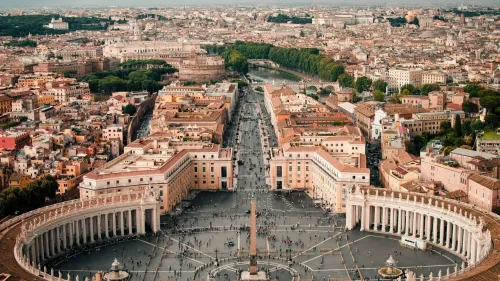
FCO → Vatican – real travel times & average prices (2026)
Learn the fastest, safest and most reliable ways to travel from Fiumicino Airport to the Vatican area, with real 2026 prices, travel times, tips and recommended routes.
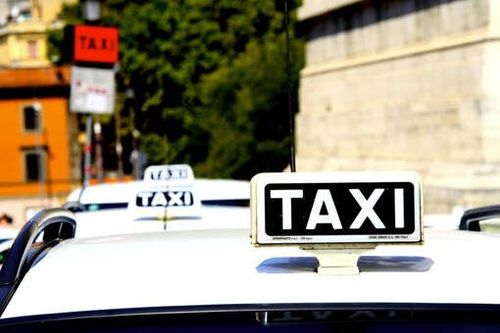
How to Avoid Fake Taxi Scams in Rome (2026 Guide)
A clear and trusted 2026 guide to avoiding fake taxi scams in Rome — where they occur, how to identify real taxis, and how to stay safe when travelling from Fiumicino or Termini.