

Pickpockets in Rome: Hotspots & How to Avoid Them (2026 Guide)
Introduction
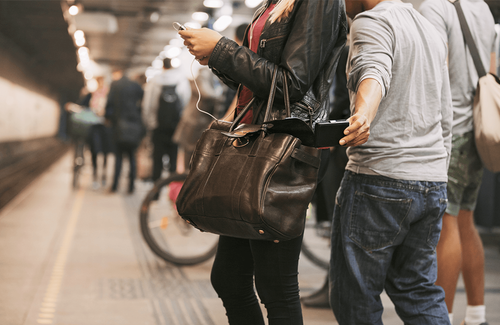
Rome welcomes millions of visitors every year, drawn by its ancient monuments, charming streets and world-class cuisine. As in any major European capital, tourism also attracts opportunistic thieves — mainly pickpockets. These are not violent criminals, but they are highly skilled and operate wherever crowds gather.
Understanding where pickpockets tend to work and how they choose their targets is the key to staying safe. The good news is that Rome is safe, and with a few simple precautions, most tourists never experience any issues. This guide explains the most common hotspots, the tactics thieves use, and the practical habits that will help you enjoy the Eternal City with complete peace of mind.
Why Pickpocketing Happens in Rome
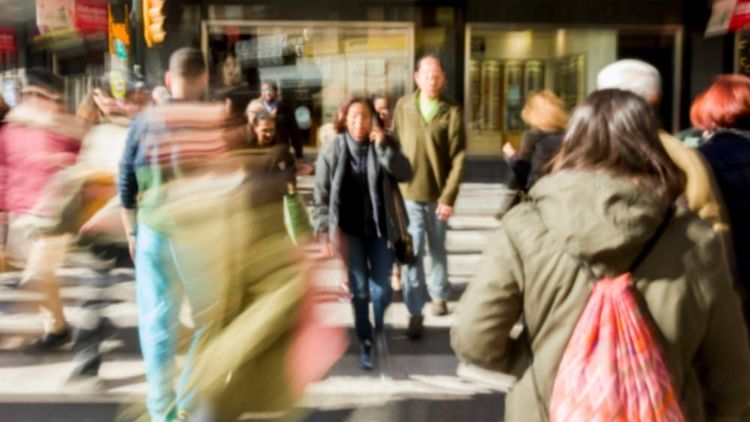
Pickpocketing is Rome’s most common petty crime. It thrives in crowded, busy and distracted environments — places where people are focused on sightseeing, navigating transport, taking photos or checking maps on their phones.
Unlike violent crime, pickpocketing relies on:
- Distraction
- Crowds and close contact
- Quick access to valuables
- Tourists unfamiliar with local routines
These thieves generally avoid confrontation and disappear quickly. Recognising the pattern helps you stay a step ahead.
Main Pickpocket Hotspots in Rome (2026 Updated)
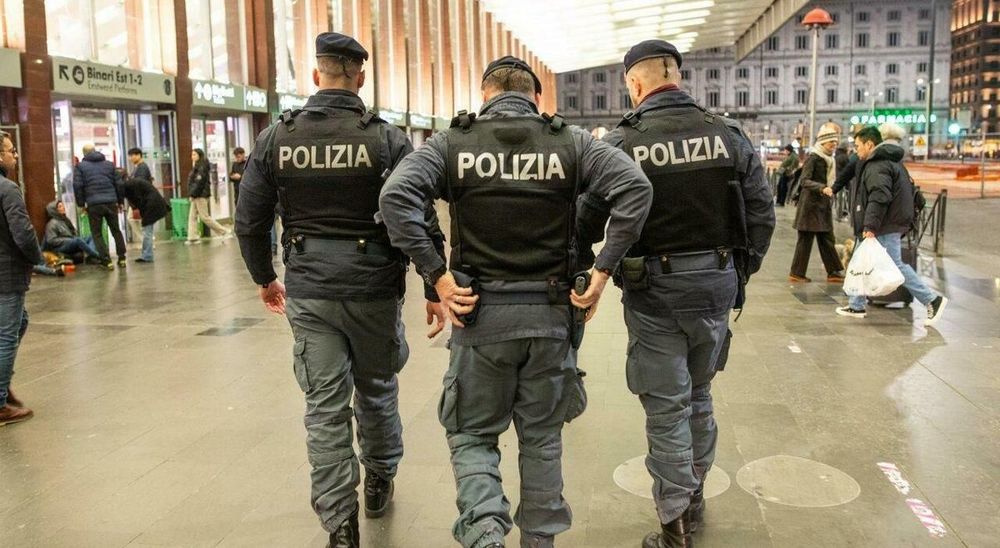
1. Termini Station (Train + Metro Hub)
Rome’s busiest transport hub is a prime location for pickpockets. Peak times create dense crowds around:
- Metro escalators
- Ticket machines
- Platforms
- Luggage areas
- Bus stands outside the station
Pickpockets often work in groups. They target phones in back pockets, open handbags, backpacks worn loosely, or suitcases momentarily unattended.
2. Metro Lines A & B
The metro is generally safe, but crowded trains create ideal conditions for theft. The most problematic stations are:
- Spagna (Spanish Steps)
- Barberini
- Ottaviano (Vatican)
- Termini (interchange)
- Colosseo
Theft often occurs as doors open or close, allowing thieves to escape instantly.
Typical tactic: sudden crowding when boarding → hand slips into a pocket or bag → thief exits before doors close.

3. Vatican Area (including Buses 64 & 40)
The Vatican attracts some of the largest tourist crowds in Italy.
Hotspots:
- St. Peter’s Square
- Via della Conciliazione
- Inside Vatican Museums queues
- Bus 64 (“pickpocket express”)
- Bus 40 (Termini ↔ Vatican connection)
These buses are the most targeted in the city because visitors often carry phones, cameras and wallets in easy-to-reach places.
4. Trevi Fountain
This iconic landmark is always crowded, and pickpockets blend easily among tourists taking photos. Theft usually occurs when visitors focus on capturing their “coin toss” moment.

5. Spanish Steps
The constant flow of people sitting, walking or taking selfies makes this a hotspot. Pickpockets move along the steps to identify:
- Bags left open
- Phones sticking out of pockets
- Backpacks with easy access compartments
6. The Colosseum & Archaeological Area
The area around:
- Colosseum metro station
- The pedestrian zones of Via dei Fori Imperiali
- Queue areas and guided tour meeting points
is targeted due to intense foot traffic and tourists distracted by tickets or audio guides.
Common Pickpocket Techniques in Rome
Pickpockets rely on subtlety, speed and teamwork. The most common techniques include:
“The Crowd Squeeze”
Thieves push into a crowd just as people board transport.
“The Distraction Drop”
Objects (usually coins or paper) are dropped on purpose to divert attention.
“The Stain Trick”
A stranger claims your shirt is stained, then wipes it — while someone else grabs your wallet.
“Fake Tourist Help”
Someone offers help with metro tickets but watches your PIN or grabs your wallet.
“Door Exit Snatch”
A thief takes something from a pocket and jumps out just as metro doors close.
Understanding these techniques greatly reduces your risk.
How to Avoid Pickpockets in Rome
Staying safe does not require paranoia — just awareness. Here are the best habits for 2026:
1. Keep bags closed and in front of your body
Never carry a backpack on your back in crowded areas.
2. Use the inside pockets for passports and wallets
Zipped interior pockets are hardest to reach.
3. Avoid storing phones in back pockets
This is the number one target.
4. Stay alert when boarding the metro or buses
Most thefts happen during boarding.
5. Ignore unsolicited help at ticket machines
Especially at Termini.
6. Use crossbody bags with zip closures
An excellent option for both men and women.
7. Don’t put valuables on café tables outdoors
A classic mistake near tourist streets.
What to Do If You Are Pickpocketed
If the worst happens, stay calm and follow these steps:
- Block your phone immediately via your provider
- Contact your bank to freeze cards
- Report the theft at the nearest police station (for insurance)
- Use digital backups of documents
- Contact your embassy if passport is stolen
Rome’s police are used to handling such incidents efficiently.
Conclusion
Rome remains a safe and welcoming city, and millions visit each year without any issues. Pickpocketing is the most common inconvenience — not a threat to your personal safety but a nuisance that can disrupt your holiday.
With the right habits, you can reduce your risk to nearly zero. Keep your belongings close, remain aware in crowded spaces and trust your instincts. By doing so, you’ll be free to enjoy Rome’s extraordinary history, cuisine and atmosphere without worry.
FAQ
Are pickpockets dangerous?
No — they avoid confrontation and focus only on theft.
Is Termini Station safe?
Yes, but highly crowded. Keep belongings secured.
Is the metro risky?
Only for pickpockets; it’s safe to ride with awareness.
Is Rome safe for solo travelers?
Absolutely — just follow basic precautions.
Are taxis safer than buses at night?
Yes, especially after midnight.
Need a safe and reliable transfer?
Book a Trusted, Comfortable Transfer in Rome
Your driver will wait for you with a name sign — no queues, no stress, total peace of mind.
Related guides
How to Claim VAT Refund at Fiumicino Airport (Step-by-Step)
A clear and professional 2026 guide explaining how to claim a VAT refund at Fiumicino Airport, including required documents, customs stamping, refund desks and essential tips to avoid delays.
Is Rome Safe in 2026 What Tourists Should Know
A clear and reassuring 2026 guide on safety in Rome, explaining real risks, safe areas, common scams and practical tips every visitor should know before traveling.
You might also like

Arriving in Rome from Fiumicino Airport: How to Choose the Best Transport in 2026
Find the best way to travel from Fiumicino Airport to Rome in 2026. Compare trains, taxis, private transfers, and shuttles — with updated prices, travel times, and practical tips.

FCO → Vatican – real travel times & average prices (2026)
Learn the fastest, safest and most reliable ways to travel from Fiumicino Airport to the Vatican area, with real 2026 prices, travel times, tips and recommended routes.

FCO → Trastevere: Which Transport Option Is Best in 2026?
Discover the best ways to travel from Fiumicino Airport to Trastevere in 2026, including prices, travel times, comfort levels and insider tips to avoid stress and delays.
The Best Shopping Streets in Rome: From Via del Corso to Via Condotti
Rome’s centre is a walkable shopping stage. From democratic Via del Corso to luxury Condotti, this guide helps you choose the perfect street for your style, time and budget.
FCO → Termini: Fastest Transport Options & Real 2026 Prices
Discover the fastest and most reliable ways to travel from Fiumicino Airport to Termini Station in 2026, with real prices, travel times and practical tips for a stress-free arrival.